
Note: Website is under construction right now & content is not accurate. Please wait for few days.
_edited.png)
About Ectopic Pregnancy

An ectopic pregnancy cannot progress normally because the fertilized egg cannot survive outside the uterus. If left untreated, the growing tissue may cause life-threatening complications, including internal bleeding.
Therefore, it is advisable to undergo an ultrasound examination in the early stages of pregnancy. If an ectopic pregnancy is detected, timely medical treatment should be sought as recommended by your healthcare provider.
What is an Ectopic Pregnancy?

Pregnancy begins with a fertilized egg. Normally, the fertilized egg attaches to the lining of the uterus. An ectopic pregnancy occurs when the fertilized egg implants and grows outside the main cavity of the uterus.
An ectopic pregnancy most often occurs in a fallopian tube, which carries eggs from the ovaries to the uterus. This type of ectopic pregnancy is called a tubal pregnancy. Sometimes, an ectopic pregnancy occurs in other areas of the body, such as the ovary, abdominal cavity, or the lower part of the uterus (the cervix), which connects to the vagina.
Why Does It Happen?
While the exact cause of an ectopic pregnancy is not always known, certain factors can increase the risk. These include:
-
Salpingitis (infection of the fallopian tubes)
-
Previous ectopic pregnancy
-
Previous fallopian tube surgery
-
Endometriosis
-
Fertility treatments such as IVF or ICSI
-
Smoking

Symptoms of Ectopic Pregnancy
-
You may not notice any symptoms at first.
-
However, some women with an ectopic pregnancy experience the usual early signs of pregnancy, such as a missed period, breast tenderness, and nausea.
-
If you take a pregnancy test, the result may be positive. However, an ectopic pregnancy cannot continue normally.
-
As the fertilized egg grows in the wrong location, the signs and symptoms become more noticeable.
Early Warning Signs of Ectopic Pregnancy:
-
The first warning signs of an ectopic pregnancy often include light vaginal bleeding and pelvic pain. If blood leaks from the fallopian tube, you may experience shoulder pain or an urge to have a bowel movement. The specific symptoms depend on where the blood collects and which nerves are affected.
Emergency Symptoms:
-
If the fertilized egg continues to grow in the fallopian tube, it may cause the tube to rupture. This can lead to severe internal bleeding in the abdomen and is a medical emergency. Symptoms may include extreme lightheadedness, fainting, severe abdominal pain, and shock.
Types of Ectopic Pregnancy:

Tubal Ectopic Pregnancy
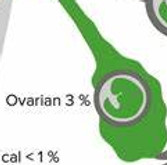
Ovarian Ectopic Pregnancy
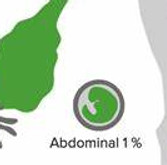
Abdominal Ectopic Pregnancy
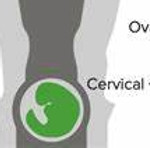
Cervical Ectopic Pregnancy
Diagnosis of Ectopic Pregnancy
Ultrasound Examination:
-
Transvaginal Ultrasound: Typically performed during the first 6 weeks of pregnancy.
-
Abdominal Ultrasound: Generally performed after 6 weeks of pregnancy.
-
Procedure:
Both transvaginal and abdominal ultrasounds are simple imaging tests that usually take 7–10 minutes. They use high-frequency sound waves to produce images of the internal organs and the developing pregnancy.
As the name suggests, a transvaginal ultrasound is performed by inserting a specialized ultrasound probe into the vagina, while an abdominal ultrasound is performed by moving the ultrasound probe over the abdomen. Because the transvaginal probe is closer to the uterus, it can detect an early pregnancy more accurately than an abdominal ultrasound.
Confirmation:
The location of the pregnancy helps determine the type of pregnancy:
-
Inside the uterus: Normal pregnancy
-
In a fallopian tube: Tubal ectopic pregnancy
-
In an ovary: Ovarian ectopic pregnancy
-
In the abdominal cavity (peritoneum): Abdominal ectopic pregnancy
-
In the cervix: Cervical ectopic pregnancy
Risk Factors for Ectopic Pregnancy
Some factors that make you more likely to have an ectopic pregnancy include:
-
Previous ectopic pregnancy: If you have had this type of pregnancy before, you are at a higher risk of having another.
-
Inflammation or infection: Sexually transmitted infections such as gonorrhea or chlamydia can cause inflammation in the fallopian tubes and nearby organs, increasing the risk of an ectopic pregnancy.
-
Fertility treatments: Some studies suggest that women who undergo in vitro fertilization (IVF) or similar treatments may have a higher risk of ectopic pregnancy. Infertility itself may also increase the risk.
-
Tubal surgery: Surgery to correct a blocked or damaged fallopian tube can increase the risk of an ectopic pregnancy.
-
Choice of birth control: Pregnancy while using an intrauterine device (IUD) is rare, but if it does occur, it is more likely to be ectopic. Tubal ligation (commonly known as “having your tubes tied”) also increases the risk if pregnancy occurs after the procedure.
-
Smoking: Smoking before pregnancy can increase the risk of an ectopic pregnancy. The more you smoke, the higher the risk.
Risks & Complications if Left Untreated
-
Removal of an ectopic pregnancy is essential. If it ruptures, it can lead to life-threatening complications for the mother. Some of the symptoms and complications include:
-
Acute pain at the site of rupture (fallopian tube, ovary, abdomen, etc.)
-
Shoulder pain (depending on the site of rupture and the nerves involved)
-
Severe, life-threatening internal bleeding
Ectopic Pregnancy Specialist Doctors
Dr. ABCD
MBBS,
10 yrs of experience
Dr. ABCD
MBBS,
10 yrs of experience
Dr. ABCD
MBBS,
10 yrs of experience
Medical Termination
While termination of an ectopic pregnancy can be done using medicines, it is not commonly preferred due to the longer treatment duration, need for continuous monitoring, and repeated follow-ups. Medical management may also carry a risk of treatment failure, requiring further intervention.
However, if the ectopic pregnancy is detected early and the patient opts for medical management, the following approach may be used:
Medicine: Methotrexate
Procedure: Methotrexate is administered as an injection, usually in a single dose. hCG levels are monitored before and after treatment. If hCG levels do not decrease adequately after the first dose, an additional dose may be required. Treatment success is confirmed through ultrasound and serial hCG monitoring.
Side effects: Some of the side effects include-
-
Abdominal pain
-
Vaginal bleeding
-
Nausea
-
Vomiting
-
Diarrhea
-
Dizziness


Surgical Termination
The surgical treatment for ectopic pregnancy depends on the type and location of the condition. Some of the common surgical methods include:
Fallopian (Tubal) Ectopic Pregnancy:
-
Salpingectomy: A nick is made at the fallopian tube via laparoscopy, the fetus is removed and the incision is stitched back.
-
Salpingostomy: A nick is made at the fallopian tube via laparoscopy, the fetus is removed, while the incision is left open to heal naturally.
-
Salpingectomy: The whole fallopian tube is removed along with the fetus via laparoscopy.
All cost an average of Rs. 60,000- Rs. 80,000 in India.
Ovarian ectopic pregnancy:
-
The fetus is removed from the respective ovary through a laparoscopic procedure.
An average, it costs anywhere between Rs. 60,000- Rs. 80,000 in India.
Abdominal ectopic pregnancy:
-
The fetus is removed from the respective cavity in the abdomen through a laparoscopic procedure.
On average, it costs anywhere between Rs. 60,000- Rs. 80,000 in India.
Cervical ectopic pregnancy:
-
The fetus or its remaining tissues are curetted from the cervix via D&C procedure (dilation and curettage).
On average, the cost ranges between 20,000 to Rs. 25,000 in India.