
Note: Website is under construction right now & content is not accurate. Please wait for few days.
_edited.png)
About Gallstones

Gallstones are hardened deposits of digestive fluid that form in the gallbladder, a small organ located beneath the liver. They can vary in size from tiny grains to large stones and may or may not cause symptoms. When gallstones block the flow of bile, they can lead to abdominal pain, nausea, vomiting, or other complications, often requiring medical evaluation and treatment.
What Are Gallstones?

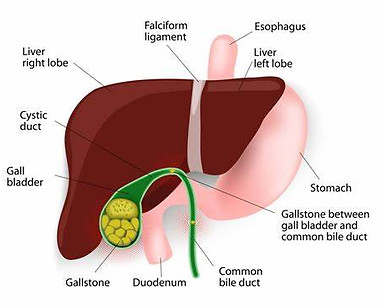
Gallstones are hardened deposits of digestive fluid that form in the gallbladder. The gallbladder is a small, pear-shaped organ located on the right side of the abdomen, just beneath the liver. It stores and releases bile, a digestive fluid produced by the liver that helps break down fats.
Gallstones can vary in size, ranging from as small as a grain of sand to as large as a golf ball. In some cases, they may block the bile ducts, leading to inflammation or infection of the gallbladder, a condition known as cholecystitis. If left untreated, this can result in serious complications and may require prompt medical attention.
How Do Gallstones
Form?
Gallstones form when substances in bile, such as cholesterol or bilirubin, become imbalanced and crystallize inside the gallbladder. Over time, these crystals can combine to form stones of varying sizes.
In some cases, gallstones may block the flow of bile through the bile ducts, preventing the gallbladder from emptying properly. This can cause sudden, severe abdominal pain and may lead to inflammation or infection of the gallbladder, requiring medical treatment.
Causes of Gallstones
Symptoms of Gallstones
The exact cause of gallstone formation is not always known. However, gallstones may develop when:
-
The bile contains too much cholesterol: Excess cholesterol can crystallize and eventually form gallstones.
-
The bile contains too much bilirubin: Conditions such as liver cirrhosis, biliary tract infections, or certain blood disorders can increase bilirubin levels, contributing to stone formation.
-
The gallbladder does not empty properly: Incomplete or infrequent emptying of the gallbladder can cause bile to become concentrated, increasing the risk of gallstone formation.
Gallstones may not cause any symptoms until they block a bile duct. When this happens, signs and symptoms may include:
-
Sudden, severe pain in the upper right side of the abdomen
-
Pain in the center of the abdomen, just below the breastbone
-
Pain between the shoulder blades or in the right shoulder
-
Nausea or vomiting
-
Episodes of pain lasting from several minutes to a few hours
DIAGNOSIS
Gallstones may not cause symptoms initially, but complications can develop if they block the bile ducts. Warning signs may include:
-
Nausea and vomiting
-
Sudden, severe pain in the upper right abdomen
-
Pain in the right shoulder or upper back
-
Fever with chills
-
Jaundice (yellowing of the skin and eyes)
-
Heartburn or indigestion
If you experience these symptoms, seek medical attention promptly.
-
To diagnose gallstones, your doctor may recommend:
-
Blood tests
-
Abdominal ultrasound (the most common initial test)
-
CT scan or MRI, if needed
-
HIDA scan to assess gallbladder function
-
ERCP (Endoscopic Retrograde Cholangiopancreatography) to diagnose and treat bile duct blockages in selected cases
Based on the results of the initial evaluation, your doctor may also recommend additional tests such as a CT scan, MRI scan, HIDA scan, or ERCP (Endoscopic Retrograde Cholangiopancreatography) to confirm the diagnosis and assess the condition of the gallbladder and bile ducts.
How to Prevent Gallstones?



You can help reduce your risk of gallstones by:
-
Do not skip meals and try to follow regular mealtimes each day. Skipping meals or fasting may increase the risk of gallstones.
-
Lose weight gradually, as rapid weight loss can increase the risk of gallstones. Aim for about 1–2 pounds (0.5–1 kg) per week.
-
Eat more high-fiber foods, including fruits, vegetables, and whole grains.
-
Maintain a healthy body weight, as obesity and being overweight increase the risk of gallstones. Aim to achieve a healthy weight by reducing calorie intake and increasing physical activity. Once you reach a healthy weight, maintain it through a balanced diet and regular exercise.
GALLSTONES SPECIALISTS DOCTORS
Dr. ABCD
MBBS,
10 yrs of experience
Dr. ABCD
MBBS,
10 yrs of experience
Dr. ABCD
MBBS,
10 yrs of experience
Complications of Gallstones
Complications of gallstones may include:
-
Inflammation of the gallbladder (cholecystitis): A gallstone lodged in the neck of the gallbladder can cause inflammation, leading to severe pain and fever.
-
Blockage of the common bile duct: Gallstones may block the ducts that carry bile from the gallbladder or liver to the small intestine, causing severe pain, jaundice, and possible bile duct infection.
-
Blockage of the pancreatic duct: A gallstone may obstruct the pancreatic duct, leading to inflammation of the pancreas (pancreatitis), which causes intense, constant abdominal pain and often requires hospitalization.
-
Gallbladder cancer: People with a history of gallstones may have a slightly increased risk of gallbladder cancer. However, this condition is rare, and the overall risk remains very low.
Surgical Treatment
Open Gallbladder Removal Surgery (Open Cholecystectomy) :
Open gallbladder removal is a traditional surgical procedure in which a single large incision is made under the right rib cage or in the upper abdomen. Through this incision, the surgeon removes the gallbladder after carefully separating it from the surrounding structures.
After removal of the gallbladder, bile flows directly from the liver into the small intestine through the common bile duct.
This procedure is less commonly performed today due to the availability of minimally invasive techniques. However, it may still be required in cases of severe infection, inflammation, or complications.
Recovery time is generally longer compared to laparoscopic surgery, and most patients resume normal activities within a few weeks.
Laparoscopic Gallbladder Removal Surgery :
Also known as keyhole surgery, laparoscopic gallbladder removal is a minimally invasive procedure in which small incisions are made instead of a large cut. The abdomen is gently inflated with carbon dioxide gas to provide a clear view of the surgical area.
A laparoscope (a thin tube with a camera and light) is inserted through one of the incisions to guide the surgeon during the procedure. The gallbladder is then removed using specialized instruments.
This method is preferred due to minimal blood loss, reduced pain, smaller scars, and faster recovery. Most patients can resume normal daily activities within about a week, while complete recovery may take 2–3 weeks.