
Note: Website is under construction right now & content is not accurate. Please wait for few days.
_edited.png)
About Hernia
Seamless Laparoscopic Hernia Treatment at IMG Healthcare.
"Experience advanced laparoscopic hernia treatment at IMG Healthcare with minimal cuts, fewer stitches, less pain, and faster recovery under the care of experienced specialists."
A hernia occurs when an internal organ or tissue pushes through a weak spot in the surrounding muscle or connective tissue. It can involve the intestines, stomach, bladder, or other abdominal organs and most commonly develops in the area between the chest and hips.
Common types of hernias include inguinal hernia, femoral hernia, umbilical hernia, and hiatal hernia. Early diagnosis and timely treatment can help prevent complications and improve outcomes.
.png)
What is a Hernia?

A hernia often appears as a soft or noticeable bulge that may move inward or outward while coughing, straining, lifting heavy objects, or performing physical activities. The bulge may become less noticeable or disappear when lying down.
A hernia may also cause the following symptoms:
-
Discomfort or pain
-
Weakness in the affected area
-
A feeling of heaviness or pressure
-
Straining sensation
-
Burning or prickling sensation
-
Swelling or inflammation
-
A bulge that gradually increases in size over time
The bulge may gradually increase in size over time and can become more noticeable or uncomfortable with physical activity or straining.
How Does a Hernia Form?
A hernia develops when an internal organ or fatty tissue pushes through a weak or damaged area in the surrounding muscle or connective tissue. Increased pressure inside the abdomen combined with muscle weakness can cause this bulge to form.
Common contributing factors include heavy lifting, chronic coughing, obesity, constipation, pregnancy, aging, previous surgery, or strenuous physical activity.

Types of Hernia:

Umbilical Hernia

Incisional Hernia

Femoral Hernia

Hiatal
Hernia

Epigastric Hernia
Causes of Hernia
Symptoms of Hernia
-
Obesity
-
Pregnancy
-
Increased pressure or physical strain on the abdomen
-
Persistent or severe coughing or sneezing
-
Heavy or repetitive weightlifting
-
Chronic constipation and straining during bowel movements
-
Inflammation may cause soreness in the groin or abdomen, especially while standing, sneezing, coughing, or laughing.
-
Constant pressure or discomfort.
-
Tugging sensation in the abdomen.
-
Lower abdominal discomfort.
-
Back pain (in some cases).
Signs You May See
-
What You May Feel :
A dull ache, weakness, heaviness, pressure, tingling, or a burning sensation in the abdomen, groin, or scrotum. These symptoms may worsen with prolonged standing, coughing, lifting heavy objects, physical activity, or straining during bowel movements, and may improve with rest.
-
What You May See :
A soft bulge in the groin or scrotum that may be pushed back gently or become smaller when lying down. The bulge may become more noticeable during the day or while coughing, bending, lifting, or straining.
-
What You May Notice
A sudden, sharp pain in the groin or a sensation of something “tearing.” Even if no other symptoms are present, prompt medical evaluation is recommended.
DIAGNOSIS
If you consult a doctor for a suspected hernia, they will assess your symptoms and perform a physical examination. In many cases, a physical exam is sufficient to diagnose a hernia.
However, if the diagnosis is unclear or more information is needed, your doctor may recommend imaging tests such as an abdominal ultrasound, CT scan, or MRI to confirm the condition and determine its severity
How to Prevent a Hernia?
.png)
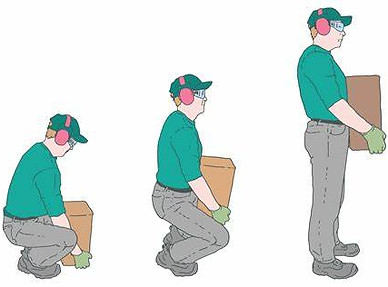

To help reduce the risk of developing a hernia:
-
Maintain a healthy body weight.
-
Eat a high-fiber diet to prevent constipation and straining.
-
Avoid smoking and seek treatment for persistent coughing.
-
Treat chronic sneezing or respiratory conditions promptly.
-
Use proper lifting techniques and avoid lifting excessively heavy objects.
-
Stay physically active and strengthen your core muscles as advised by a healthcare professional.
HERNIA SPECIALISTS DOCTORS
Dr. ABCD
MBBS,
10 yrs of experience
Dr. ABCD
MBBS,
10 yrs of experience
Dr. ABCD
MBBS,
10 yrs of experience
Hernia Repair Surgery
Hernia repair surgery is the only definitive treatment to permanently correct a hernia. If the hernia is small and does not cause pain or discomfort, your doctor may recommend watchful waiting with regular monitoring until surgery becomes necessary.
However, in most cases, surgical repair is advised to prevent the hernia from enlarging or developing serious complications, such as obstruction or strangulation, which may require emergency treatment.
Types of Hernia Surgery
-
Laparoscopic Hernia Repair: Laparoscopic hernia repair is a minimally invasive procedure performed through small incisions using a camera and specialized instruments. It is usually carried out under general anesthesia and is associated with less postoperative pain, smaller scars, and a faster recovery compared with traditional open surgery.
-
Open Hernia Repair: In open hernia repair, the surgeon makes an incision over the affected area, returns the protruding tissue to its proper position, and repairs the weakened muscle wall using stitches and/or a surgical mesh. This approach may be recommended for certain types of hernias or complex cases.
-
TAR Surgery for Recurrent and Complex Hernias: Transversus Abdominis Release (TAR) is an advanced surgical technique used to repair recurrent, large, or complex ventral hernias. It helps reconstruct the abdominal wall, reduces tension on the repair, and provides better support for long-term outcomes in selected patients.