
Note: Website is under construction right now & content is not accurate. Please wait for few days.
_edited.png)
About Hysterectomy

A hysterectomy is a surgical procedure to remove the uterus (womb). It may be recommended to treat conditions such as uterine fibroids, abnormal uterine bleeding, endometriosis, uterine prolapse, chronic pelvic pain, or certain gynecological cancers.
Depending on the patient's condition, the surgery may involve removal of only the uterus or include the cervix, ovaries, and fallopian tubes. A hysterectomy permanently ends the ability to become pregnant, so it is usually considered only when other treatment options are not suitable or have been unsuccessful.
What is a Hysterectomy?

Hysterectomy, in the simplest sense, is a surgical procedure to remove the uterus from a woman’s body. It is often performed as a definitive treatment for various uterine conditions, including:
-
Symptomatic uterine fibroids (leiomyomas)
-
Endometriosis
-
Irregular, excessive, or painful menstrual bleeding (dysmenorrhea)
-
Uterine prolapse
A hysterectomy permanently removes the uterus, which means you will no longer be able to become pregnant or have menstrual periods. It may also be recommended for conditions such as abnormal uterine bleeding, fibroids, uterine prolapse, or certain gynecological cancers. Recovery usually takes 4 to 6 weeks, depending on the type of surgery performed.
Importance of Early Decision
Women often ignore uterine health concerns and rely on home remedies or oral medications for temporary relief. While lifestyle changes and medicines may help manage symptoms, they may not provide a definitive solution.
If you are experiencing persistent or recurrent uterine health issues, it is important to consult a gynecologist or healthcare specialist at the earliest so that the most appropriate treatment plan can be determined. Delaying medical care may lead to worsening symptoms, severe pain, nausea, internal bleeding, fertility issues, or, in some cases, an increased risk of serious uterine conditions.
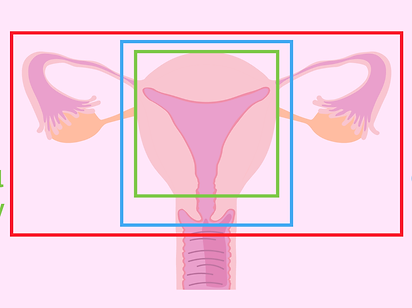
Types of Hysterectomy
Partial (Subtotal/Supracervical) Hysterectomy
Total Hysterectomy
Hysterectomy with Bilateral Salpingo-Oophorectomy (BSO)
Radical Hysterectomy
Why Is a Hysterectomy Performed?
-
Healthcare providers may recommend a hysterectomy to treat the following conditions:
-
Abnormal or heavy vaginal bleeding that does not respond to other treatments
-
Severe menstrual pain that cannot be controlled with medication or other therapies
-
Leiomyomas (uterine fibroids), which are noncancerous tumors of the uterus
-
Chronic pelvic pain related to the uterus that does not improve with other treatments
-
Uterine prolapse, where the uterus descends into the vaginal canal due to weakened pelvic support muscles, potentially causing urinary incontinence or bowel problems
-
Cervical or uterine cancer, or precancerous conditions that increase the risk of developing cancer
-
Disorders affecting the lining of the uterus, such as endometrial hyperplasia, recurrent uterine polyps, or adenomyosis
Diagnostic Tests Before Hysterectomy
Some of the common tests recommended before a hysterectomy include:
Imaging Tests
These may include one or more of the following:
-
X-ray
-
Ultrasound
-
MRI
-
CT Scan
Imaging tests help create detailed images of the internal organs and tissues to identify abnormalities in or around the uterus. A pelvic ultrasound is usually the first imaging test performed to evaluate uterine conditions. In certain cases, additional imaging studies such as an MRI or CT scan may be recommended for a more detailed assessment.
Endometrial Biopsy
An endometrial biopsy is performed to examine the lining of the uterus for abnormal cell growth or other underlying conditions. It may help diagnose hormonal abnormalities, causes of postmenopausal bleeding, infertility-related issues, endometrial hyperplasia, or uterine cancer.
The procedure usually takes less than 10 minutes, during which a small sample of the endometrial tissue is collected and sent to a laboratory for analysis.
Pap Smear
A Pap smear is performed to detect abnormal changes in the cells of the cervix. During the procedure, the doctor uses a speculum to gently open the vaginal walls and collects cervical cells with a soft brush for microscopic examination.
Regular Pap smear screening plays an important role in the early detection of cervical cancer and other cervical abnormalities. Your healthcare provider will advise how often you should undergo this test based on your age, medical history, and current screening guidelines.
How Do I Prepare for a Hysterectomy?
-
Your healthcare provider will explain the procedure in detail, including its benefits, possible risks, and expected recovery. Be sure to discuss any questions or concerns you may have before the surgery.
-
As part of the preoperative evaluation, you may be asked to undergo routine tests, including blood and urine investigations, to ensure you are fit for the procedure.
What Happens During a Hysterectomy?
Before the procedure, your healthcare provider will determine the most appropriate type of hysterectomy and the best surgical approach based on your condition. You will be asked to change into a hospital gown, and your vital signs, including heart rate and blood pressure, will be monitored. An intravenous (IV) line will be placed in your arm to administer medications and fluids.
An anesthesiologist will then administer either:
-
General anesthesia, in which you will be asleep and unaware during the procedure, or
-
Regional anesthesia (such as spinal or epidural anesthesia), which numbs the lower part of the body while allowing you to remain awake, depending on your medical condition and the surgeon’s recommendation.
How to Maintain Good Uterine Health
.png)


-
Balanced Diet:
A healthy, balanced diet rich in fruits, vegetables, whole grains, lean proteins, and fiber helps support overall health and hormonal balance. Limiting processed and junk foods may contribute to better metabolic and reproductive health.
-
Active Lifestyle:
Regular physical activity, such as a 30-minute walk each day, can help maintain a healthy weight and support hormonal well-being. An active lifestyle may also reduce the risk of certain gynecological conditions.
-
Stay Hydrated:
Drinking enough water supports digestion, helps regulate body functions, and contributes to overall health. Aim to stay adequately hydrated throughout the day.
-
Give yourself a routine:
Following a consistent schedule for sleeping, eating, and daily activities may help support hormonal balance and overall well-being.
-
Practice Good Vaginal Hygiene:
Maintain proper intimate hygiene by wearing breathable cotton underwear, keeping the area clean and dry, and changing sanitary pads or tampons every 4–8 hours during menstruation. Good hygiene can help reduce the risk of infections.
-
Practice Safe Sex:
Using appropriate protection during sexual activity can help reduce the risk of sexually transmitted infections (STIs) and pelvic infections.
-
Quit Smoking:
Smoking can negatively affect hormonal health and reproductive organs. Quitting smoking supports overall health and may reduce the risk of several gynecological conditions.
-
Regular Check-ups:
Schedule routine gynecological examinations, ideally at least once a year or as recommended by your healthcare provider. Early detection allows timely management of many conditions.
-
Seek Timely Treatment:
Many uterine conditions can be managed effectively when diagnosed early. Prompt medical evaluation may allow conservative treatment options and help prevent disease progression or the need for more extensive surgery.
HYSTERECTOMY SPECIALISTS DOCTORS
Dr. ABCD
MBBS,
10 yrs of experience
Dr. ABCD
MBBS,
10 yrs of experience
Dr. ABCD
MBBS,
10 yrs of experience
TYPES OF HYSTERECTOMY
Vaginal Hysterectomy
-
The uterus is removed through an incision at the top of the vagina, with no external incision.
-
Dissolvable stitches are placed inside the vagina.
-
It is commonly performed for uterine prolapse and other noncancerous conditions.
-
This approach is associated with fewer complications and a faster recovery, often within four weeks.
-
Many patients are discharged on the same day of surgery.
Laparoscopic Hysterectomy
-
A laparoscope (a thin tube with a camera) is inserted through a small incision, usually near the belly button.
-
Additional small incisions are made to insert surgical instruments.
-
The uterus may be removed through these small incisions or through the vagina, depending on the case.
-
Many patients go home the same day or after an overnight hospital stay.
-
Recovery is generally quicker and less painful than with an abdominal hysterectomy.
Robotic-Assisted Laparoscopic Hysterectomy
-
The procedure is performed using robotic technology controlled entirely by the surgeon.
-
A laparoscope and specialized surgical instruments are inserted through several small abdominal incisions.
-
The robotic system allows for enhanced precision and control during surgery.
-
Recovery is similar to that of a conventional laparoscopic hysterectomy.
Abdominal Hysterectomy
-
The uterus is removed through an incision in the abdomen.
-
The incision is typically made vertically from the belly button toward the pubic bone or horizontally along the bikini line.
-
This approach is commonly used when the uterus is enlarged, cancer is suspected or present, or the disease has spread to nearby pelvic structures.
-
It usually requires a hospital stay of two to three days and has a longer recovery period compared with minimally invasive techniques.