
Note: Website is under construction right now & content is not accurate. Please wait for few days.
_edited.png)
About Varicocele

Varicocele is a condition similar to varicose veins, but it occurs in the scrotum—the loose skin sac located below the penis that contains the testicles.
In this condition, the veins within the scrotum become enlarged and swollen, which may cause mild pain, discomfort, or a feeling of heaviness.
Varicocele is most commonly seen in adolescent and young men between the ages of 15–25. In many cases, it is harmless, but it can also occur in adult men, including those who have already fathered children.
What is a Varicocele?

A varicocele is an enlargement of the veins within the scrotum (the loose bag of skin that holds the testicles). These veins are responsible for carrying oxygen-depleted blood away from the testicles.
A varicocele occurs when blood does not flow properly and instead pools in these veins, causing them to become enlarged and swollen.
Varicoceles usually develop during puberty and gradually worsen over time. In many cases, they cause no symptoms, but some people may experience mild discomfort, pain, or a feeling of heaviness in the scrotum.
How Does Varicocele Form?
Varicocele forms due to abnormalities in the veins of the scrotum. Normally, valves inside these veins ensure that blood flows properly from the testicles back toward the heart.
When these valves become weak or defective, blood flow becomes irregular and starts to pool inside the veins. This leads to swelling and enlargement of the scrotal veins.
Varicocele most commonly develops during puberty, when the testicles are growing rapidly. In about 85% of cases, it occurs on the left side of the scrotum, and in rare cases, it may affect both sides.

Types of Varicoceles:
Stop-type Varicocele
Shunt-type Varicocele
Causes of Varicocele
Symptoms of Varicocele
Varicocele develops due to problems in the veins that carry blood away from the testicles. Common causes include:
-
Weak or defective valves in the scrotal veins
-
Improper blood flow leading to blood pooling in veins
-
Increased pressure in the abdominal or pelvic veins
-
Rapid growth of the testicles during puberty
-
Genetic or family-related vein weakness
-
In some cases, unknown (idiopathic) causes
These factors cause blood to collect in the veins, leading to enlargement and swelling.
Varicocele may not cause symptoms in many people, but when present, common signs include:
-
Dull pain or discomfort in the scrotum
-
Feeling of heaviness in the testicles
-
Swollen or enlarged veins in the scrotum (often described as a “bag of worms” feeling)
-
Pain that worsens after standing or physical activity
-
Shrinkage of the affected testicle in some cases
-
Fertility issues or reduced sperm quality in some men
DIAGNOSIS
Diagnosis of Varicocele: Varicocele is usually diagnosed through a physical examination by a doctor or urologist. In some cases, an ultrasound may be recommended to confirm the condition and assess its severity.
-
Physical examination :The doctor may ask the patient to stand and take a deep breath while examining the scrotum. This is called the Valsalva maneuver, which helps the doctor detect enlarged veins, lumps, or testicular shrinkage (atrophy).
-
Ultrasound : A scrotal ultrasound may be done to confirm the diagnosis and understand the size and severity of the varicocele.
-
Varicocele Grades
-
Grade 1: Smallest varicocele, not visible. Can be felt only during the Valsalva maneuver.
-
Grade 2: Not visible, but can be felt without the Valsalva maneuver.
-
Grade 3: Clearly visible through the scrotal skin.
How to Prevent Varicocele?



There is no sure way to completely prevent varicocele. However, its progression can be reduced by maintaining a healthy lifestyle.
You may help manage the condition by:
-
Maintaining good overall health
-
Following a balanced and healthy diet
-
Drinking enough water daily
-
Avoiding smoking
-
Avoiding tight-fitting clothes that may increase pressure in the scrotal area
-
Staying physically active to support healthy blood circulation
Improving vein health can also help reduce discomfort and prevent the condition from getting worse.
VARICOCELE SPECIALISTS DOCTORS
Dr. ABCD
MBBS,
10 yrs of experience
Dr. ABCD
MBBS,
10 yrs of experience
Dr. ABCD
MBBS,
10 yrs of experience
Types of Surgery
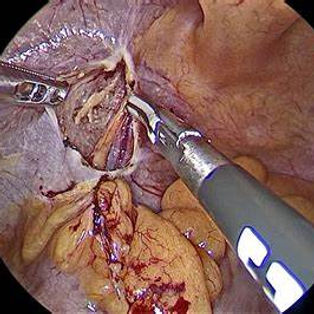

Types of Varicocele Surgery :
Varicocele can be treated using different surgical and minimally invasive procedures depending on the severity of the condition.
1. Open Surgery (Varicocelectomy) :
In this procedure, the enlarged (engorged) veins are tied off or closed, and blood flow is redirected through healthy veins. This helps improve circulation and reduce symptoms.
2. Laparoscopic Surgery :
In laparoscopic surgery, small incisions are made in the abdomen. A camera (laparoscope) and surgical instruments are inserted through these incisions.
The surgeon identifies the affected veins and blocks them to improve blood flow. This is a minimally invasive procedure with faster recovery compared to open surgery.
3. Percutaneous Embolization
This is a non-surgical, minimally invasive procedure usually performed by an interventional radiologist.
A catheter is inserted into a vein, and coils or a special solution is released to block the affected veins. This stops abnormal blood flow and reduces varicocele.
4. Microsurgical Varicocelectomy
This is one of the most precise and commonly preferred procedures, especially in patients with infertility risk.
A small incision is made above the scrotum, and a microscope is used to carefully identify and preserve important structures like arteries and lymphatic vessels. The abnormal veins are then tied off to stop reverse blood flow.
This technique has high success rates and low risk of recurrence or complications.
SEVERITY OF THE DISEASE:
Grade II
(Not visible, only felt during test)
Grade II
(The varicocele can be felt at rest)
Grade III
(The varicocele Clearly visible through skin)