
Note: Website is under construction right now & content is not accurate. Please wait for few days.
_edited.png)
About Pilonidal Sinus
_edited.png)
Pilonidal sinus (PNS) is a condition that usually develops near the tailbone, where hair and debris become trapped under the skin, leading to infection and the formation of a sinus or cyst. Friction, prolonged sitting, and pressure on the area can increase the risk of developing this condition.
At IMG Healthcare, experienced specialists provide comprehensive evaluation and treatment for pilonidal sinus. Depending on the severity of the condition, management may include medications or minimally invasive surgical procedures aimed at relieving symptoms, treating infection, and reducing the risk of recurrence.
“Pilo” means hair and “nidal” means nest.
What is Pilonidal Sinus?

A pilonidal sinus is a small tunnel or cavity that forms in the skin, usually near the top of the buttock crease (tailbone area). It can become filled with hair, debris, fluid, or pus, leading to the formation of a cyst or abscess.
When infected, a pilonidal sinus may cause pain, swelling, redness, foul-smelling discharge, and bleeding or pus drainage. If left untreated, the infection can worsen and spread to surrounding tissues, making timely medical evaluation and treatment important.
How Does Pilonidal Sinus Form?
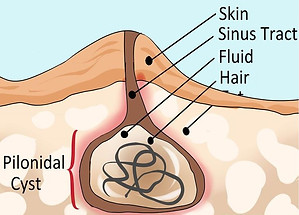
Pilonidal sinus develops when hair and debris become trapped beneath the skin, usually in the cleft between the buttocks. Friction, prolonged sitting, or repeated pressure can cause the hair to penetrate the skin, leading to inflammation and infection.
Over time, this may result in the formation of a sinus tract or cyst filled with hair, fluid, or pus, causing pain and swelling.
Causes of Pilonidal Sinus
Symptoms of Pilonidal Sinus
Pilonidal sinus may develop due to friction and pressure that force hair to penetrate the skin near the buttock crease. Common contributing factors include:
-
Friction from clothing or prolonged pressure
-
Hair growing inward between the buttocks
-
Excess body hair in the affected area
-
Prolonged sitting or a sedentary lifestyle
-
Certain skin conditions or recurrent irritation
Common symptoms include:
-
Pain and swelling near the tailbone or buttock crease
-
A pus-filled abscess or cyst
-
Bleeding or foul-smelling discharge from the affected area
DIAGNOSIS
Pilonidal sinus is usually diagnosed through a physical examination by an experienced doctor. If further evaluation is needed, additional tests may be recommended.
Physical Examination :
The doctor examines the affected area to check for swelling, infection, drainage, and the presence of sinus openings.
Imaging or Probe Assessment :
In complex or recurrent cases, the doctor may assess the depth and extent of the sinus tract using appropriate techniques or imaging studies if required.
Laboratory Tests :
If there is persistent infection or an unusual lesion, a sample of discharge or tissue may be sent for laboratory analysis or biopsy to rule out other conditions and guide treatment.
Risks & Complications During Pilonidal Sinus Surgery
Pilonidal sinus surgery is generally safe, especially when performed by an experienced surgeon. However, as with any surgical procedure, some risks may occur, including:
-
Bleeding: Mild bleeding may occur during or after surgery, particularly in more extensive procedures.
-
Infection: The surgical site may become infected if proper wound care is not maintained or in certain high-risk cases.
-
Reaction to Anesthesia: Some patients may experience temporary side effects such as drowsiness, nausea, or vomiting after anesthesia.
-
Delayed Wound Healing or Recurrence: In some cases, healing may take longer than expected, or the pilonidal sinus may recur and require further treatment.
-
Rare Complications: Very rarely, long-standing or chronic pilonidal disease has been associated with skin cancer (such as squamous cell carcinoma), particularly if left untreated for many years.
Risks & Complications if Left Untreated
If left untreated, a pilonidal sinus can lead to several complications, including:
-
Recurrent abscesses causing pain, swelling, and tenderness
-
Persistent pus or blood-stained discharge, often with an unpleasant odor
-
Formation of multiple sinus tracts, making the condition more severe and difficult to treat
-
Spread of infection to surrounding tissues, leading to ongoing discomfort and inflammation
-
Rare complications, such as chronic disease increasing the risk of squamous cell carcinoma or the development of a fistulous tract in long-standing cases
PILONIDAL SINUS SPECIALISTS DOCTORS
Dr. ABCD
MBBS,
10 yrs of experience
Dr. ABCD
MBBS,
10 yrs of experience
Dr. ABCD
MBBS,
10 yrs of experience
Pilonidal Sinus Treatment
Conservative Management
In the early stages or during active infection, your doctor may prescribe antibiotics and advise proper wound care to control symptoms. However, these measures usually provide temporary relief and may not eliminate the sinus tract completely.
Incision and Drainage (Lancing)
If an abscess has formed, the surgeon may make a small incision to drain pus and relieve pain and pressure. This helps treat the infection but may not prevent recurrence.
Laser Pilonidoplasty
Laser pilonidoplasty is a minimally invasive treatment used for selected cases of pilonidal sinus, including recurrent or complex disease. The procedure aims to treat the sinus tract with less pain, minimal scarring, and faster recovery compared with conventional surgery.